Across rural India, a quiet but powerful transformation is taking place. It is not driven by machines or large infrastructure projects, but by something far more natural and enduring—trees. Tree plantation drives are gradually reshaping landscapes, restoring ecological balance, and reconnecting communities with nature. For organisations like Touch For Earth Foundation, this movement is not just about planting saplings; it is about rebuilding hope, responsibility, and a greener future for generations to come.
The Need for Tree Plantation in Rural India
Rural India has always shared a deep relationship with nature. However, over the past few decades, this balance has been disrupted. Rapid urbanisation, deforestation, and changing land use patterns have led to a significant reduction in green cover. Trees that once provided shade, oxygen, and livelihood support have been cut down, often without proper replacement.
This environmental decline has serious consequences. Soil erosion is becoming more common, groundwater levels are dropping, and temperatures are rising even in traditionally cooler regions. For farming communities, this directly impacts crop productivity and income stability. Tree plantation drives have therefore become not just an environmental initiative, but a survival necessity.
How Plantation Drives Are Transforming Villages
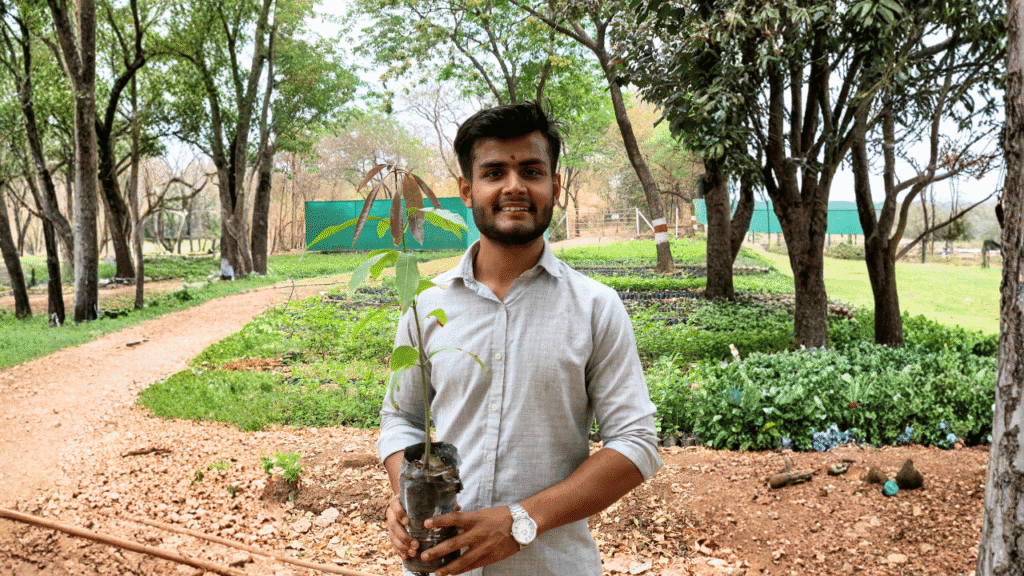
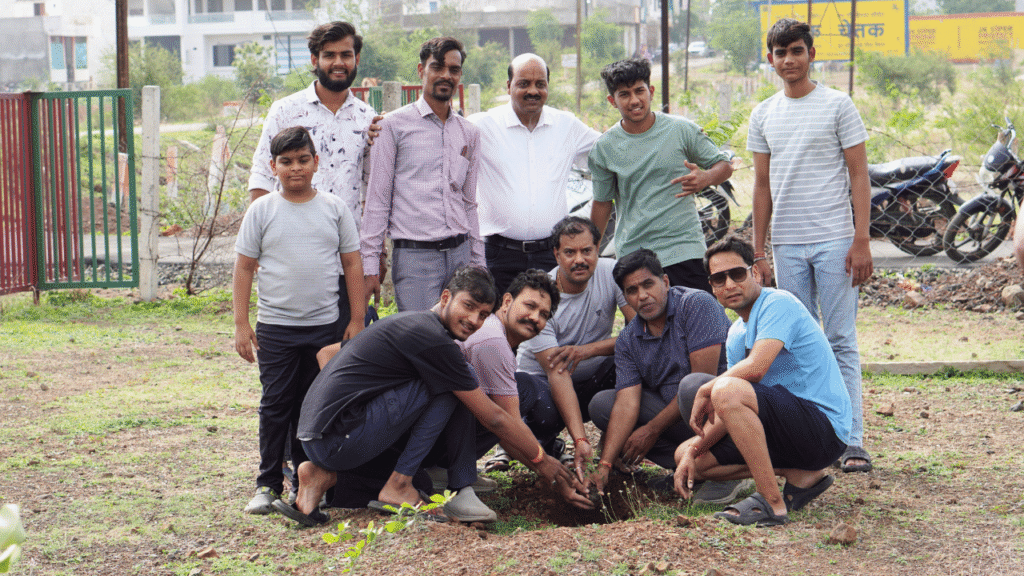
What makes tree plantation drives truly impactful in rural India is community participation. Villagers, students, and volunteers come together to plant saplings in schools, roadsides, barren lands, and village commons. Each tree planted becomes a symbol of collective responsibility.
In many villages, these drives are now regular events. Schools encourage children to plant trees as part of environmental education, helping them understand the importance of nature from a young age. Farmers are also increasingly adopting agroforestry practices, where trees are planted alongside crops to improve soil fertility and provide additional income.
Over time, these small efforts begin to reshape entire landscapes. Dry, unused land slowly turns green again. Birds return, biodiversity improves, and the local climate becomes more stable. What was once a neglected space starts becoming a living ecosystem.
Environmental Benefits That Go Beyond Green Cover
Tree plantation is often seen as simply increasing greenery, but its impact goes much deeper. Trees act as natural air purifiers, absorbing carbon dioxide and releasing oxygen. This helps combat air pollution, which is increasingly affecting even rural areas due to stubble burning and industrial expansion.
They also play a crucial role in water conservation. Tree roots help retain soil moisture and improve groundwater recharge. In regions facing drought, this can make a significant difference to agriculture and daily life. Additionally, trees reduce the intensity of heatwaves by providing shade and lowering surrounding temperatures.
Another often overlooked benefit is biodiversity restoration. Trees create habitats for birds, insects, and small animals, helping restore ecological balance. This return of wildlife is a clear sign that nature is healing itself.
Emotional Impact on Rural Communities
Beyond environmental science, tree plantation drives have a deep emotional impact on people. In many villages, planting a tree is seen as planting life itself. Families often name trees, care for them like children, and feel a personal connection as they grow.
For young people, especially students, these activities create awareness and pride. They begin to understand that environmental protection is not an abstract idea, but something they can actively participate in. This shift in mindset is perhaps the most powerful outcome of all.
For organisations like Touch For Earth Foundation, this emotional connection is at the heart of the mission—to rebuild the bond between humans and nature that has slowly weakened over time.
Challenges Faced in Plantation Efforts
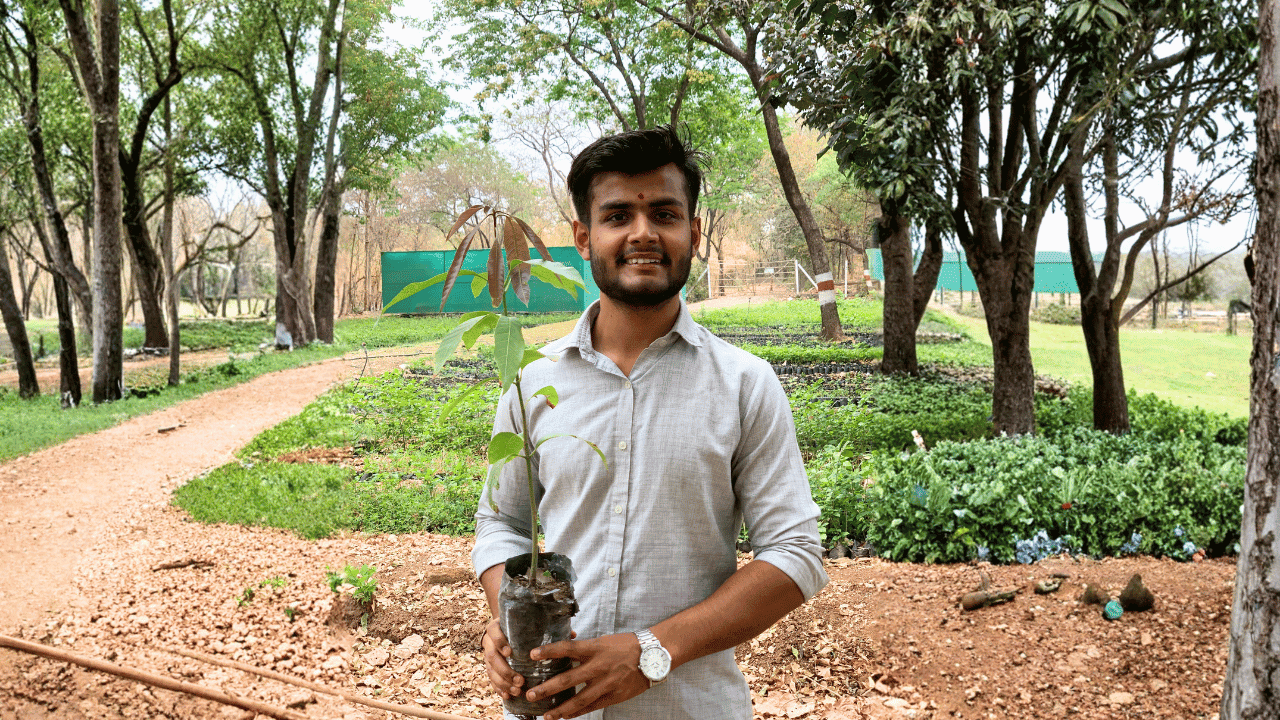
Despite their importance, tree plantation drives face several challenges. One major issue is survival rate. Many saplings fail to grow due to lack of proper watering, grazing animals, or unsuitable soil conditions. Without long-term care, plantation efforts lose their impact.
Another challenge is awareness. While planting trees is often promoted, maintaining them is equally important, but less understood. Sustainable plantation requires planning, monitoring, and community responsibility beyond the planting day itself.
Water scarcity in rural areas also affects sapling survival, especially during dry seasons. This is why many organisations now focus on planting native and drought-resistant species that are better suited to local environments.
The Role of Youth and Volunteers
The involvement of youth is transforming the future of tree plantation initiatives. Students and young volunteers bring energy, awareness, and long-term commitment to these drives. Many are now using social media to spread awareness, organise events, and encourage participation from wider communities.
Volunteering in plantation drives also helps young people develop a sense of responsibility towards the environment. It teaches them patience, care, and the importance of long-term thinking—qualities that are essential for sustainable development.
A Greener Future for Rural India
Tree plantation drives are not a one-time activity; they are an ongoing movement. Each tree planted today represents cleaner air, better soil, improved livelihoods, and a healthier tomorrow. As more communities come together, rural India has the potential to become a model of sustainable living.
For Touch For Earth Foundation, this mission goes beyond environmental work. It is about healing the relationship between humans and nature. Every sapling planted is a promise—to the earth, to animals, and to future generations.
The journey is still growing, but the direction is clear: a greener, healthier, and more connected rural India where nature is not just preserved, but deeply respected and protected.