In the heart of rural and urban India alike, Gau Mata holds a deeply respected place in culture, tradition, and daily life. Yet, behind this reverence, there is another reality that often goes unnoticed—countless cows are left injured, abandoned, or struggling for survival on streets, roadsides, and unsafe environments. At Touch For Earth Foundation, saving Gau Mata is not just a mission; it is an emotional responsibility rooted in compassion, care, and action.
The Reality Behind Abandonment
As cities expand and rural lifestyles change, many cows that were once part of households and farming systems are now left unattended. Some are abandoned when they stop producing milk, while others get lost or injured in road accidents. With no shelter or medical care, they are forced to survive on plastic waste, polluted water, and unsafe food.
This situation leads to severe health issues such as infections, injuries, malnutrition, and in many cases, slow suffering. For us, every such sight becomes a reminder that respect for Gau Mata must go beyond words—it must be reflected in action.
How Our Rescue Missions Begin
Each rescue story begins with a call, a message, or sometimes a chance encounter on the road. A cow lying injured after an accident, a calf separated from its herd, or an animal struggling to walk due to untreated wounds—these moments become urgent calls for action.
Our team responds immediately, often travelling long distances with limited resources but a strong sense of duty. There is no delay, because every minute matters when an animal is in pain. What begins as an emergency call soon turns into a mission of hope and healing.
On-Ground Rescue Efforts
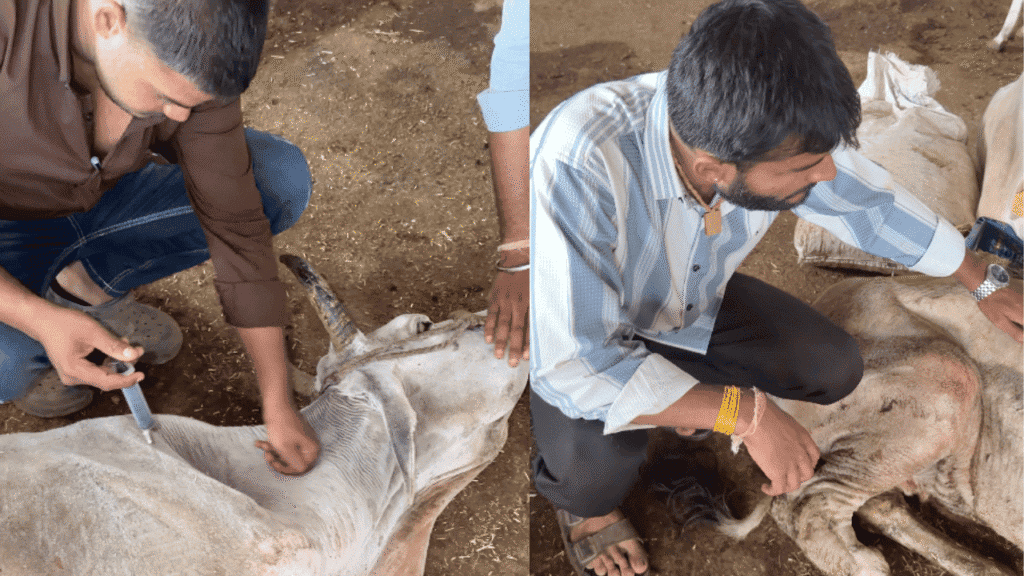
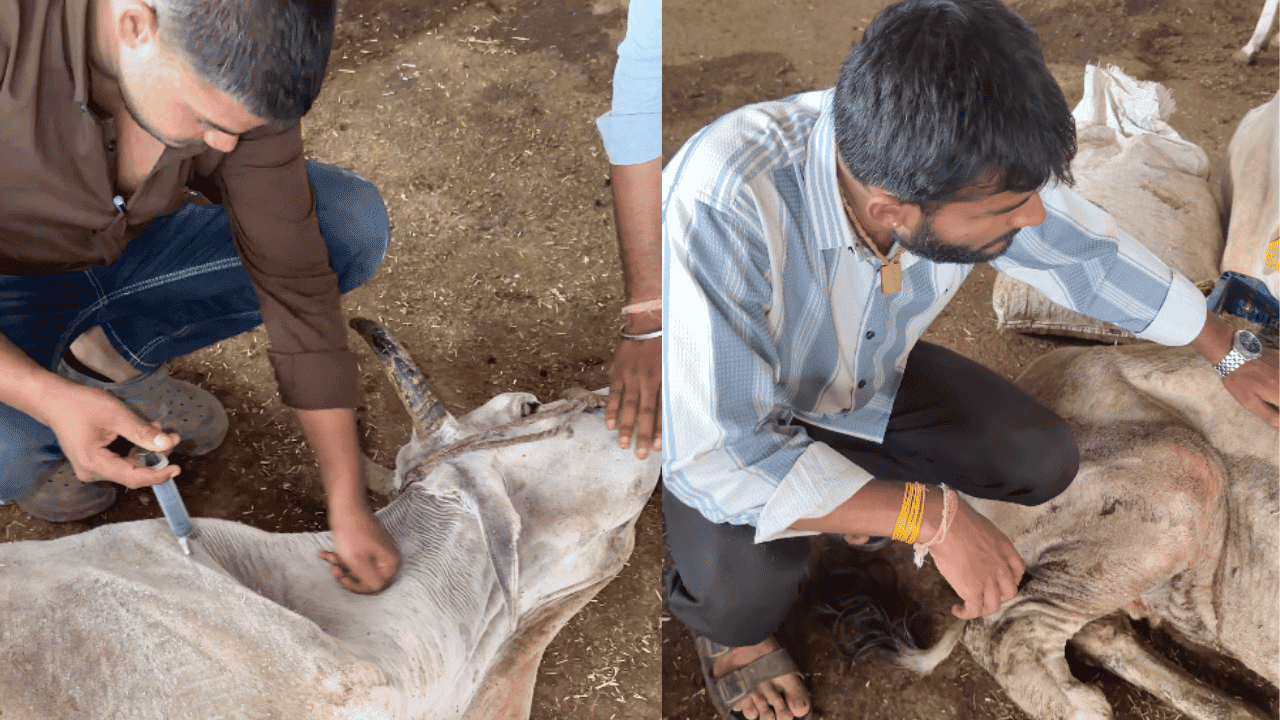
When we reach the location, the first step is to calm the animal and assess its condition. Injured Gau Mata often suffer from fear and pain, making handling difficult. With patience and care, we gently provide first aid and prepare them for transportation to our treatment facility.
In many cases, injuries include broken limbs, deep wounds, or infections caused by plastic ingestion. Our team works tirelessly to clean wounds, provide medicines, and ensure that the animal is stabilised before further treatment.
What makes these rescues challenging is the lack of immediate veterinary infrastructure in many rural areas. Yet, despite these limitations, we continue because giving up is never an option.
Our Free Treatment and Care Approach
Once rescued, Gau Mata are brought to our care facility where they receive free medical treatment. This includes wound dressing, medication, proper nutrition, and continuous monitoring. Each animal is treated as a life that deserves dignity and recovery.
Some cases require long-term care, especially when injuries are severe. During this period, we ensure that the animals are kept in a safe and clean environment where they can recover without stress.
The goal is not just survival, but restoration of health and dignity. Watching a once-injured cow slowly stand again, walk again, and regain strength is one of the most powerful experiences for our team.
Emotional Stories That Stay With Us
Every rescue mission leaves behind a story that stays in our hearts forever. There are moments of pain, but also moments of hope and recovery that remind us why this work matters.
We remember cows that arrived in critical condition but slowly recovered with care and patience. We remember calves that were abandoned but later found safety and comfort. Each life saved strengthens our belief that compassion can truly change outcomes.
These stories are not just about animals—they are about humanity. They reflect how kindness, when acted upon, can heal suffering and restore balance.
Challenges in Rescue Work
Rescuing Gau Mata is not easy. One of the biggest challenges is delayed reporting. Often, by the time help reaches, the condition has worsened significantly. Another challenge is lack of awareness among people about how to respond when they see an injured animal.
Financial constraints and limited infrastructure also affect rescue operations. Medical supplies, transport arrangements, and long-term care require continuous support. Despite these challenges, our commitment remains strong because the cause is greater than the difficulties.
The Role of Community Support
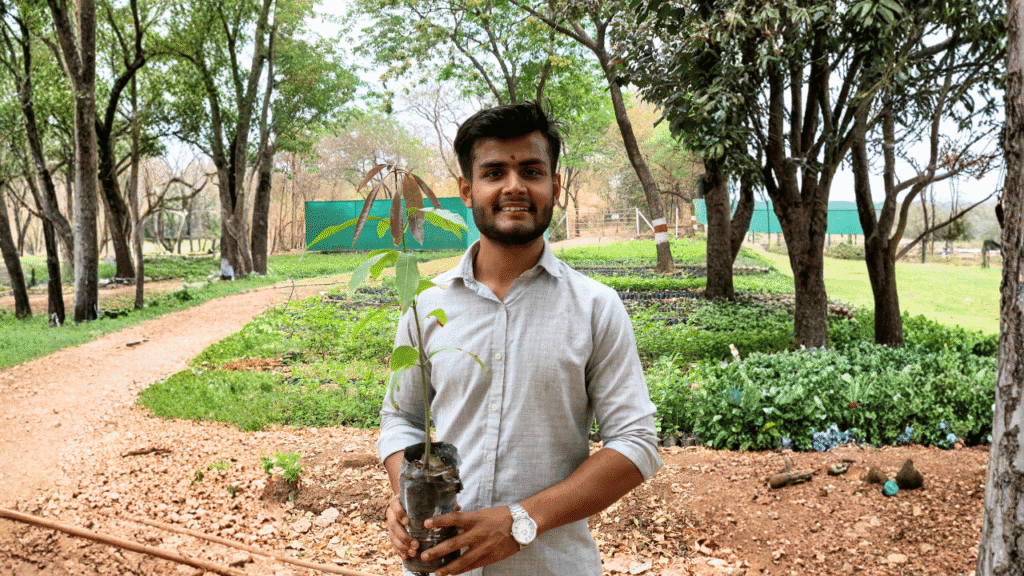
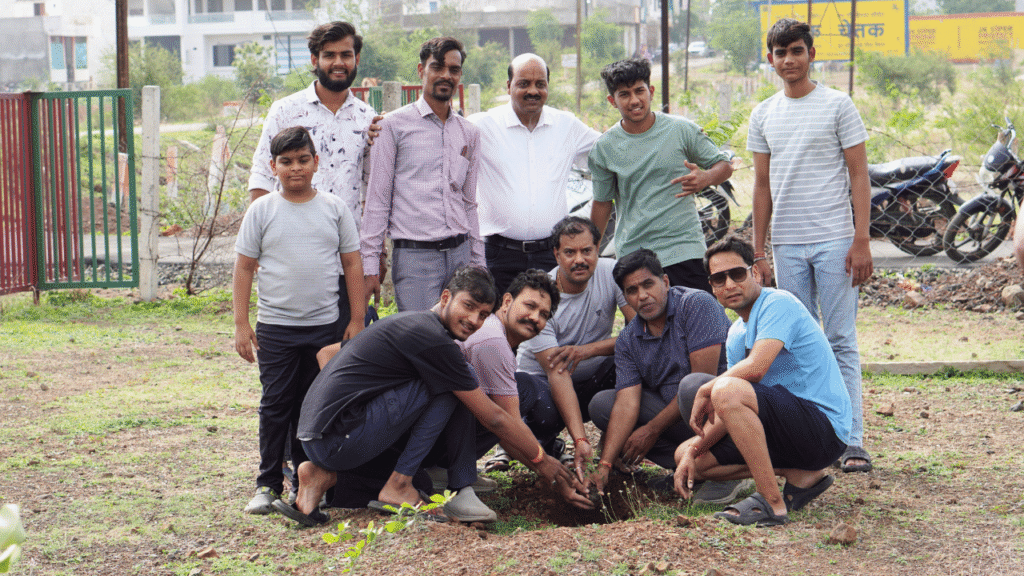
Community involvement plays a vital role in saving Gau Mata. Local residents, volunteers, and young supporters often help us locate injured animals and assist during rescue operations. Many also contribute by providing food, shelter support, or spreading awareness.
This collective effort shows that animal welfare is not the responsibility of one organisation alone—it is a shared responsibility. When communities come together, the impact becomes far stronger and more sustainable.
Rebuilding Respect for Gau Mata
At the core of our mission is a deeper purpose—to rebuild the lost connection between people and Gau Mata. In Indian tradition, cows have always been seen as symbols of care, nourishment, and respect. However, modern challenges have weakened this bond.
Through rescue work, awareness drives, and care initiatives, we aim to restore that respect in a meaningful way. Not just through belief, but through action that protects and supports their lives.
A Mission of Compassion and Hope
Saving Gau Mata is not a task that ends—it is an ongoing commitment. Every rescue is a reminder that compassion must be active, not passive. Every healed animal is proof that effort matters, no matter how small it begins.
At Touch For Earth Foundation, we believe that true service lies in action. Whether it is lifting an injured cow from the roadside or providing long-term care in our shelter, each step is guided by love for life.
Our mission continues with one simple belief:
If we can save even one life, we are moving in the right direction.
And with every rescue, we move closer to a world where Gau Mata are not just respected in words, but protected in reality.