The future of the planet is not a distant idea—it is being shaped right now by the choices we make today. Among all groups in society, the youth hold the most powerful position when it comes to protecting nature. Their energy, awareness, creativity, and digital influence make them a driving force for environmental change. At Touch For Earth Foundation, we believe that if young people act today, nature can still be restored, protected, and respected for generations to come.
Why Youth Play a Crucial Role in Environmental Protection
Young people are not just future leaders—they are current change-makers. They are more connected to information, social media, and global conversations than any previous generation. This gives them the ability to spread awareness quickly and influence behaviour on a large scale.
India, with its large youth population, has a unique opportunity. If even a small percentage of young individuals actively participate in environmental protection, the impact would be massive. From planting trees to reducing waste, youth actions can create a ripple effect that reaches entire communities.
More importantly, young minds are open to change. They question old habits and are willing to adopt sustainable lifestyles when guided properly. This makes them the strongest foundation for long-term environmental recovery.
Simple Everyday Actions That Make a Difference
Protecting nature does not always require large projects or resources. Even small daily habits can have a significant impact when practiced consistently.
Reducing plastic usage is one of the most important steps. Single-use plastics are a major threat to animals, especially cows and stray animals that often consume waste unknowingly. By switching to reusable bottles, bags, and containers, young people can directly reduce this harm.
Saving water and electricity is another simple but powerful habit. Turning off taps, using energy-efficient devices, and avoiding unnecessary wastage helps conserve natural resources that are becoming increasingly scarce.
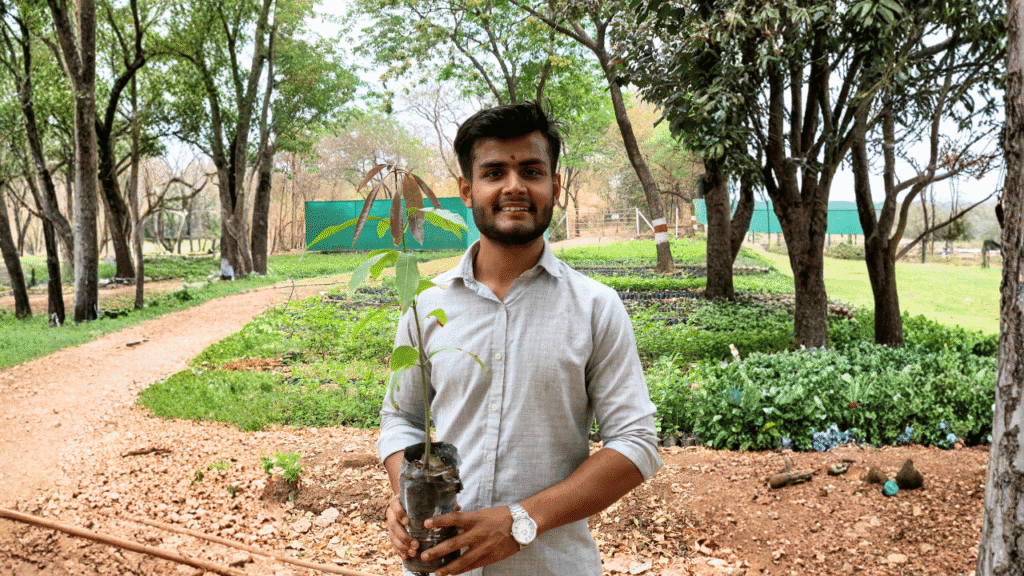
Planting trees, even one at a time, contributes to restoring green cover. Each tree planted provides oxygen, shade, and habitat for birds and insects. Over time, these small efforts create greener surroundings and healthier ecosystems.
Volunteering and Ground-Level Participation
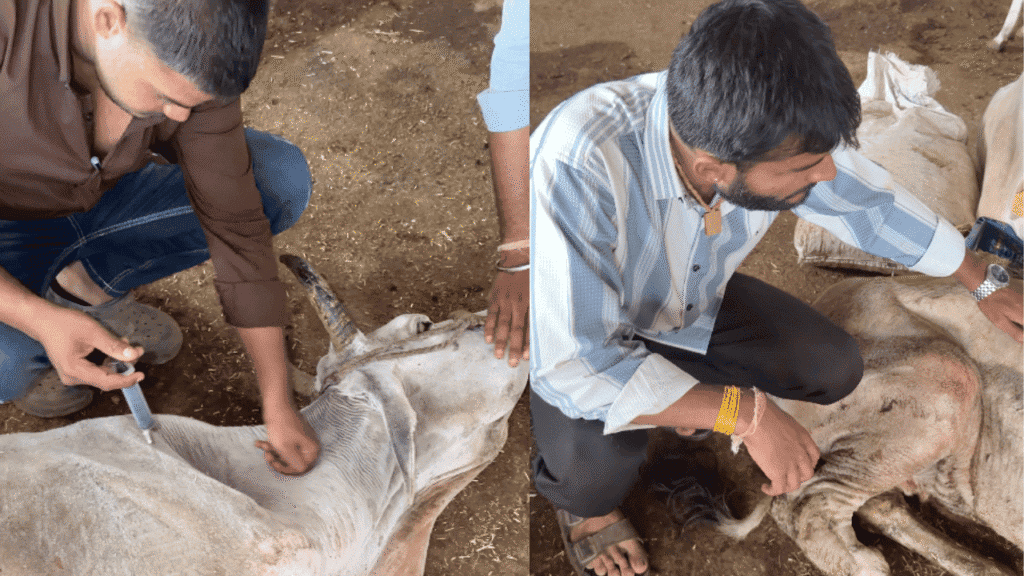
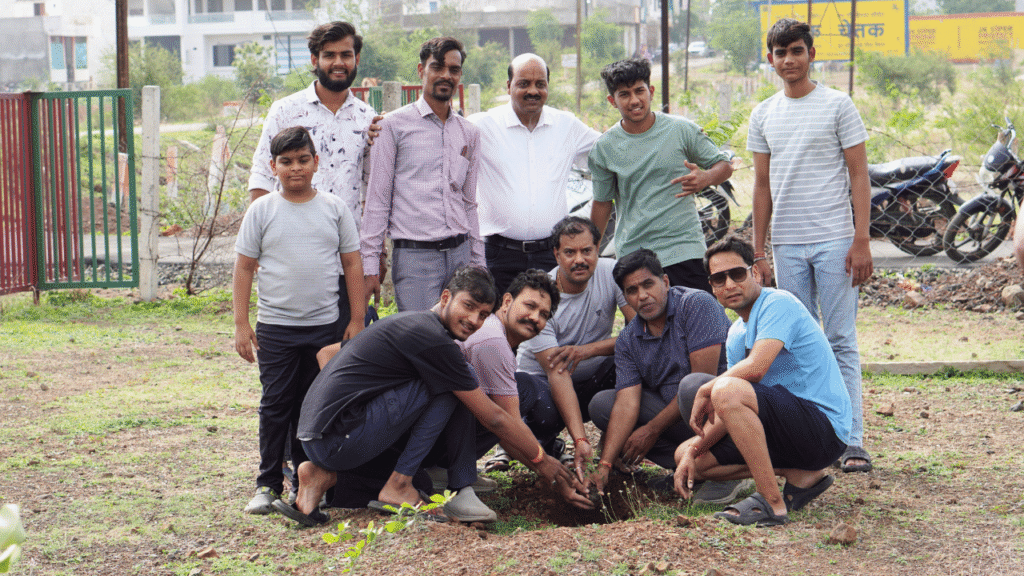
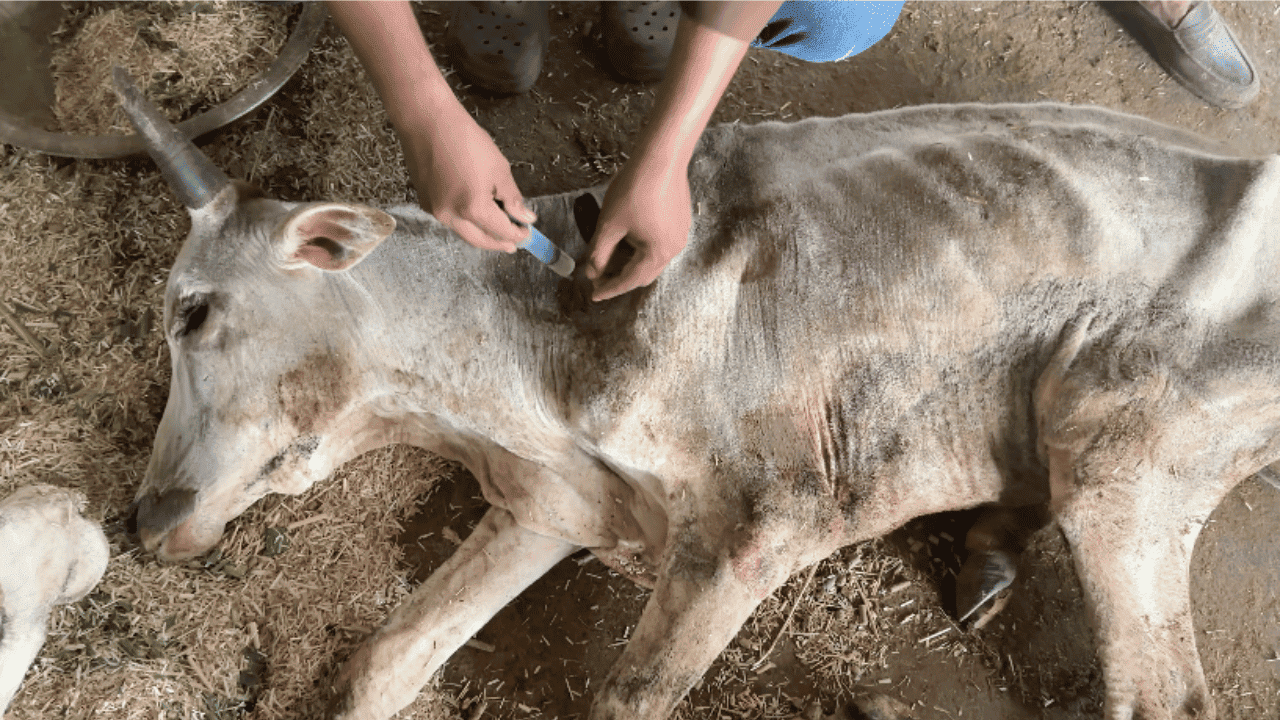
One of the most impactful ways youth can contribute is by participating in ground-level environmental activities. Tree plantation drives, cleanliness campaigns, and animal rescue support programs provide real-world experience and create lasting impact.
When young volunteers join plantation drives, they not only plant trees but also learn about responsibility and long-term care. Similarly, participating in clean-up activities helps them understand the consequences of waste mismanagement.
For organisations like Touch For Earth Foundation, youth volunteers are the backbone of field activities. Their involvement helps expand reach, increase awareness, and ensure that environmental efforts continue beyond awareness campaigns.
The Power of Social Media and Awareness
In today’s digital age, social media is one of the most powerful tools for change. Young people can use platforms like Instagram, YouTube, and WhatsApp to spread awareness about environmental issues.
A single post about tree plantation, animal rescue, or plastic pollution can reach hundreds or even thousands of people. This creates awareness without requiring physical resources.
Youth can also create content such as reels, blogs, and short videos to educate others about environmental protection. Storytelling is especially powerful because it connects emotionally with audiences and inspires action.
By sharing real stories from ground-level efforts, such as those from rescue missions or plantation drives, young people can help bridge the gap between awareness and action.
Education and Building Environmental Knowledge
Understanding environmental issues is the first step towards solving them. Youth should actively learn about climate change, biodiversity loss, pollution, and sustainable practices.
Schools and colleges can play an important role by including environmental education in their curriculum. However, self-learning through books, documentaries, and online resources is equally important.
When young people understand why environmental problems exist, they are better equipped to find solutions. Knowledge transforms concern into action.
Innovation and Technology for Nature
Today’s youth are highly skilled in technology, and this can be used for environmental protection in innovative ways. Apps for waste management, platforms for tree tracking, and digital campaigns for awareness are some examples of how technology can support nature.
Students in engineering, design, and IT fields can contribute by developing solutions that make sustainability easier and more accessible. For example, systems that track plantation survival rates or platforms that connect volunteers with NGOs can make environmental efforts more efficient.
Innovation is a powerful tool, and when combined with environmental responsibility, it can create long-lasting change.
Building a Lifestyle of Responsibility
Protecting nature is not a one-time activity—it is a lifestyle. Youth must gradually shift towards sustainable living by making conscious choices in food, fashion, transport, and consumption.
Choosing public transport, cycling, or walking whenever possible reduces carbon emissions. Supporting eco-friendly products and reducing unnecessary consumption also helps minimize environmental impact.
Even simple habits like segregating waste or avoiding food wastage contribute to a larger environmental balance. When these habits become part of daily life, they create a culture of responsibility.
Inspiring Others Through Action
One of the most powerful things youth can do is lead by example. When others see young individuals actively planting trees, rescuing animals, or reducing waste, they are naturally inspired to do the same.
Leadership does not always require position or authority—it begins with action. A single motivated young person can influence friends, family, and even entire communities.
This chain reaction is how real environmental movements begin and grow.
A Shared Responsibility for a Better Future
Protecting nature is not the responsibility of one group alone—it is a shared duty. However, youth carry a special role because they represent both present energy and future leadership.
At Touch For Earth Foundation, we see every young volunteer as a partner in this mission. Their involvement brings hope, strength, and continuity to environmental efforts.
If youth today take even small steps consistently, the impact will be extraordinary. Cleaner air, greener landscapes, healthier animals, and more balanced ecosystems are all possible outcomes.
The future is not something we wait for—it is something we build.
And the youth, with their passion and power, are already building it—one tree, one action, and one decision at a time.